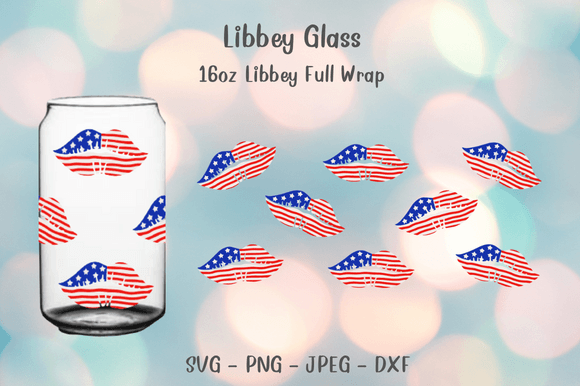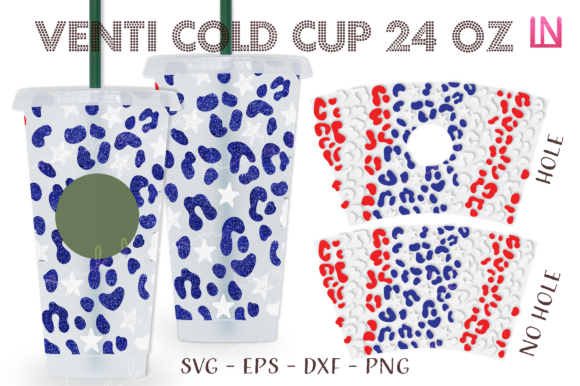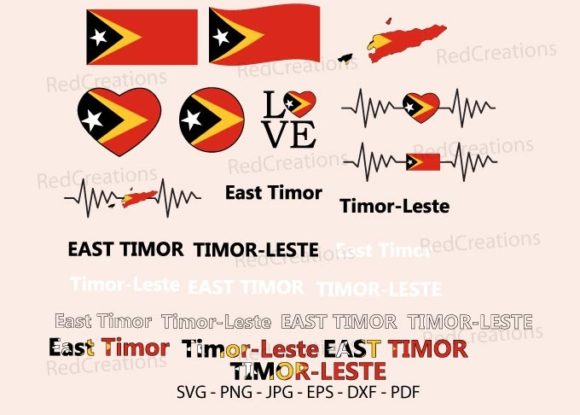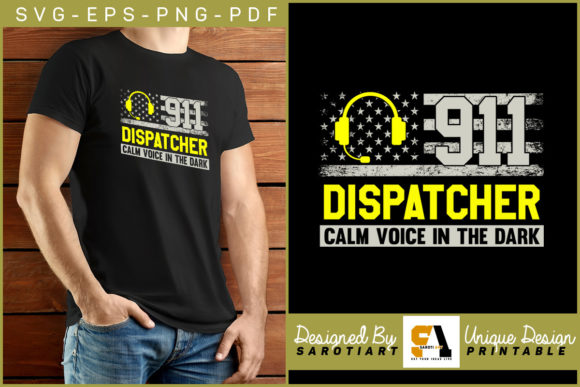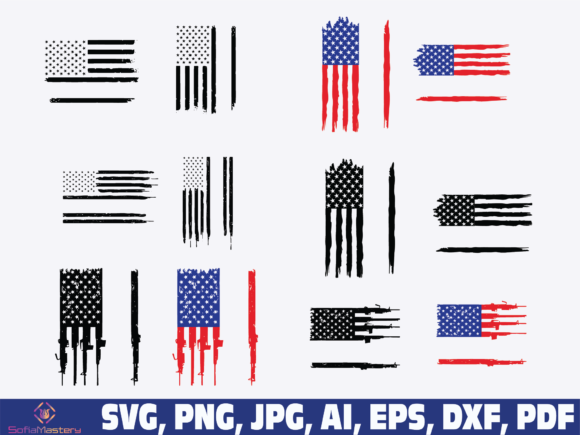
Flag: Graphics and Crafts in One
As a graphic designer with years of experience working on branding, packaging, and digital assets, I always approach new design assets with a critical eye. Flag is a versatile graphic design asset that could fit into a wide range of creative projects, especially those involving crafts, print-on-demand, or handmade businesses. Its visual style is bold, recognizable, and adaptable, making it a strong candidate for client work.
First Impressions: A Bold Statement
Flag immediately grabs attention with its clean lines and striking composition. The design feels modern yet timeless, with a strong emphasis on symmetry and balance. It’s not the kind of graphic that blends into the background—it demands to be seen. This makes it ideal for projects where visual impact is key, such as seasonal campaigns, event promotions, or branded merchandise.
The mood created by Flag is confident and expressive. It works well for brands that want to project energy, patriotism, or a sense of identity. Whether used as a standalone element or integrated into a larger design, it adds a layer of visual interest without overwhelming the overall composition.
Real-World Applications: Where Flag Shines
In real design situations, Flag can serve multiple purposes. For logo design, it could act as a secondary icon or emblem that reinforces brand messaging. In brand identity projects, it might be used as a recurring motif across marketing visuals, social media graphics, and packaging design. Its versatility allows it to transition smoothly between digital and physical formats.
For product labels and packaging design, Flag provides a strong visual anchor. It could be used as a decorative accent on t-shirt designs, mugs, or tote bags, adding a unique touch to printed items. As a Canva template element, it could help users create cohesive social media posts or editorial layouts quickly and professionally.
When it comes to Cricut projects, Flag’s SVG format ensures precision and scalability. It would work well for sticker design, printable wall art, or custom vinyl cutouts. For small business branding, it could be part of a design bundle that includes logos, icons, and other supporting graphics.
Best Use Cases: Large Layouts and Themed Projects
Flag excels in large layout areas where it can be the focal point. It’s perfect for hero graphics, product mockups, or themed collections that require a consistent visual language. When used as part of a campaign, it helps maintain visual cohesion across different mediums and platforms.
It also works well as a decorative accent in layouts that need a pop of personality. Whether it’s an invitation, flyer, or poster, Flag can elevate the design without distracting from the main message. In editorial design, it could serve as a header element or a section divider, adding a dynamic feel to the page.
Where to Be Cautious: Minimalist and Corporate Settings
While Flag is powerful, it may not be the best choice for minimalist branding or professional corporate materials. In these cases, its boldness could clash with the desired simplicity or formality. Similarly, in crowded layouts or complex backgrounds, it might lose its clarity and become visually overwhelming.
For projects that require very clean visual hierarchy, Flag should be used sparingly. It’s important to test it in black and white to ensure it still holds up without color. Also, check contrast on both light and dark backgrounds to avoid readability issues.
Design Considerations: Testing and File Quality
Before using Flag for a client project, I recommend testing it at various sizes. At small dimensions, it may lose some detail, so it’s important to ensure it remains legible. Previewing it on real mockups—whether for print or digital use—can reveal how it interacts with other design elements.
Check the file formats included in the download. If you’re planning to use it for sublimation design or print-on-demand, make sure the PNG design has proper transparency. For vector editing, confirm that the SVG design is fully editable in programs like Adobe Illustrator or Cricut Design Space.
Also, compare it with different font styles to see how it pairs with serif, sans serif, script, or display fonts. This will help determine if it complements the typography in your design.
Commercial Use and Licensing
One of the most important considerations when using any design asset for a client project is the commercial license. Make sure the download includes a valid commercial license that allows for use in print-on-demand, Etsy products, or other business ventures. Without proper licensing, you risk legal issues down the line.
Flag’s inclusion of multiple formats—SVG, DXF, PNG, PDF, AI, JPG, and EPS—makes it a valuable addition to any design bundle. These formats offer flexibility for different applications, from digital ads to physical prints.
Conclusion: A Strong Asset for Creative Projects
Flag is a graphic design asset that offers both visual appeal and practicality. It fits well within the crafts and graphics space, providing a versatile tool for designers working on handmade businesses, small business branding, or creative marketplaces. With careful consideration of its placement and usage, it can enhance the overall look and feel of a project, adding a touch of professionalism and flair.