Miner Flag: A Pro Designer's Take on Patriotic Stitching
When I first pulled up the Miner Flag design file on my workstation, I wasn't just looking at another patriotic graphic; I was evaluating a potential asset for my upcoming holiday collection. As a designer who spends more time staring at stitch simulations than actual fabric, my first impression is always about translation. How does this vector art, categorized under Crafts and Graphics, hold up when converted into thread? The initial visual personality of the Miner Flag strikes a balance between rugged industrial charm and classic Americana. It feels less like a generic parade float decoration and more like something that belongs on a well-worn work jacket or a sturdy canvas tote. The mood it creates is grounded and authentic, which is exactly what modern consumers are looking for in handmade products.
From Screen to Stitch: Evaluating the Layout
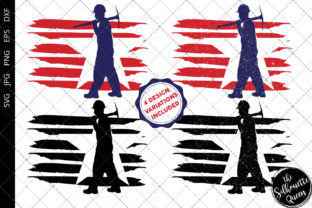
The layout of the Miner Flag is where the real design judgment comes into play. In the world of machine embroidery design, complexity can be a double-edged sword. This design incorporates elements that suggest mining heritage intertwined with the stars and stripes. When reviewing the shape and detail level, I immediately consider how these lines will behave under the needle. Will the fine details of the mining tools blur into the flag's stripes? Will the negative space breathe correctly?
For a project like this, the visual appeal relies heavily on clarity. If you are planning to use this as an applique design, the separation of colors looks promising. However, if you are aiming for a full fill stitch approach, you need to be mindful of the stitch density. Dense areas can cause puckering, especially on lighter fabrics. My advice is to look closely at the transition points between the flag elements and the miner motifs. A clean transition here means the difference between a professional finished product and a messy, thread-heavy result.
Real-World Application: The Custom Workwear Scenario
Let's walk through a realistic scenario. Imagine a client runs a local historical mining museum gift shop or a boutique that sells heritage-style workwear. They need a custom apparel piece that screams "American Made" without looking cheap. I would immediately reach for the Miner Flag to create a limited run of heavyweight denim jackets or canvas aprons.
In this context, the design shines. On a thick, textured fabric like denim or duck cloth, the embroidery file has enough substance to stand out. The rugged theme of the miner complements the durability of the material. I can visualize this stitched onto the back yoke of a jacket using high-sheen rayon threads for the flag to catch the light, while using matte cotton threads for the miner elements to keep them understated. This contrast in thread colors and texture adds depth, increasing the perceived value of the item. For an Etsy seller or small shop owner, this kind of thoughtful execution builds customer trust and brand consistency.
Another strong contender for this design is the tote bag design market. With the Fourth of July approaching, shoppers are looking for reusable bags that aren't just red, white, and blue blobs. The Miner Flag offers a narrative. It tells a story of labor and patriotism. Stitched onto a natural canvas tote with a contrasting thread color, perhaps a deep navy or charcoal, this becomes a standout holiday embroidery item that feels curated rather than mass-produced.
Navigating Fabric Challenges and Hoop Constraints
While the design has strong potential, a responsible reviewer must point out where caution is needed. Not every fabric is a suitable canvas for the Miner Flag. If you attempt this on a thin, stretchy jersey knit for a baby onesie, you risk significant distortion. The detailed corners and potentially dense fill areas require a stable foundation. If you must use a stretchy fabric, investing in a high-quality cut-away stabilizer is non-negotiable. Do not skimp here, or your baby embroidery project will warp after the first wash.
Furthermore, consider the hoop size. While the specific dimensions aren't listed in the basic file description, designs with horizontal flag elements often require a wider hoop. If you are working with a standard 4x4 hoop, you might find yourself cropping essential parts of the design or scaling it down so much that the tiny details disappear. Always check the file specifications before committing to a project. Similarly, curved surfaces like caps present a challenge. The center of a cap is a small, rounded target. If the Miner Flag has wide horizontal spans, it may not sit flat on a dad hat without extensive manipulation or resizing.
Dark fabrics also require a strategic approach. If the design relies on white or light-colored threads for the stars or highlights, ensure your digitizing software (or the pre-digitized file settings) includes a proper underlay. Without it, the dark fabric will peek through the stitches, ruining the crispness of the flag. Testing the design in a black-and-white mockup before stitching can help you anticipate contrast issues.
Commercial Viability and Brand Impact
For those running a craft business, the Miner Flag isn't just a pretty picture; it's a revenue generator. But its success depends on how it affects your brand's reputation. Using a design that stitches out cleanly and holds up over time reinforces your professionalism. Conversely, a design that frays or loses definition after a few washes can damage buyer engagement and lead to returns.
This design fits well into the category of commercial embroidery for seasonal collections. Whether you are creating personalized gifts for a family reunion or producing inventory for a craft fair, the uniqueness of the miner theme sets you apart from the sea of standard flag designs. It appeals to a niche audience that values history and hard work, allowing you to command a higher price point for your small shop product.
However, before listing this as a digital embroidery file or selling finished goods, you must verify the licensing terms. The product description mentions it includes SVG, DXF, PNG, and JPG files, which suggests versatility for both cutting machines and embroidery conversion. But does the license allow for unlimited commercial sales of finished physical items? Are there restrictions on reselling the digital assets themselves? These are critical questions. Never assume; always read the fine print to protect your business.
Final Verdict and Practical Tips
The Miner Flag is a compelling choice for designers who want to add a touch of heritage to their patriotic lineup. Its strength lies in its thematic depth and its suitability for sturdy materials like canvas, denim, and twill. To get the best results:
- Test first: Always stitch a sample on scrap fabric identical to your final material.
- Check contrast: Ensure your thread palette provides enough separation between the flag and the miner elements.
- Mind the density: If the design feels too stiff, consider reducing the fill density in your editing software.
- Stabilize correctly: Match your stabilizer to the fabric weight, not just the design size.
- Verify formats: Confirm you have the correct file type for your specific embroidery machine before starting.
In the end, the Miner Flag is more than just a Graphics file; it's a tool for storytelling. When used with care and technical precision, it can elevate a simple piece of fabric into a meaningful handmade product that resonates with customers long after the holiday season has passed.